White Gold vs. Yellow Gold: A Style Question
Ferko's Fine Jewelry
In this guide, we’ll do a quick undertone test, talk about real-life wear in 14k gold (yes, white gold maintenance is a thing), and break down gold durability. We’ll also show why a baguette diamond changes personality depending on the color, and how to wear mixed metal jewelry that will make you look like you’ve got the taste of a celebrity stylist.
White Gold vs Yellow Gold: What’s the Real Style Difference?
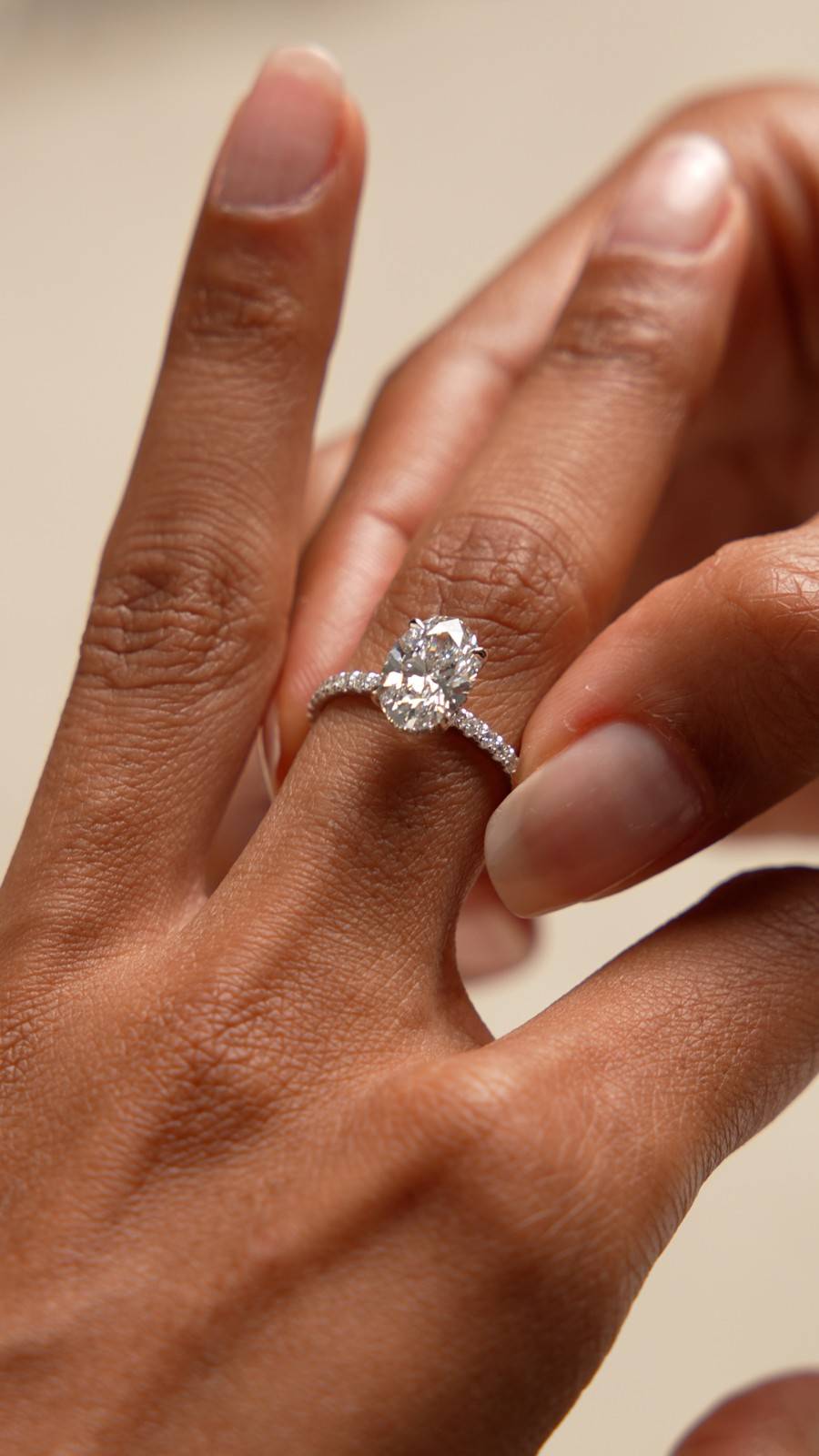
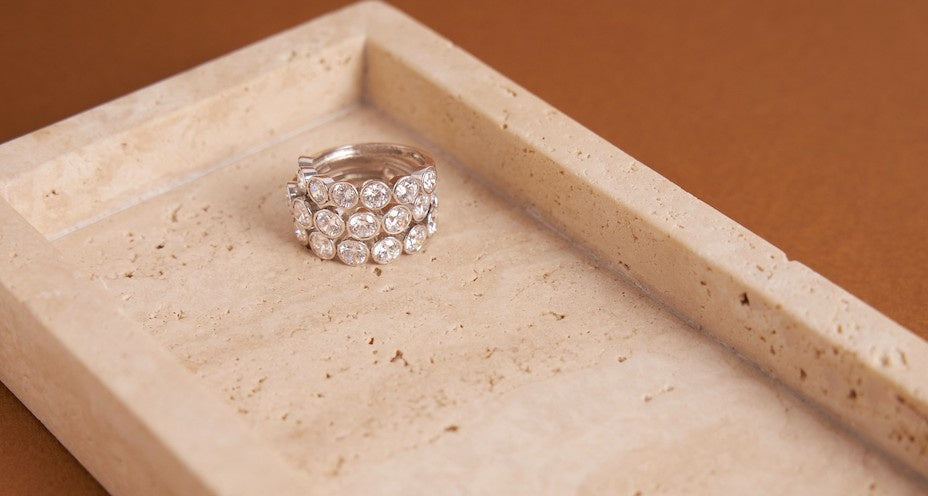
The real white gold vs yellow gold style difference is contrast. White gold jewelry reads crisp, cool, and polished while yellow gold jewelry reads warm, luminous, and a little bit sun-kissed. And yes, that single choice can change the entire mood of your outfit faster than a last-minute shoe swap.
Put simply, yellow gold vs white gold is the jewelry equivalent of “fresh white sneakers” vs. “tan leather loafers .” White gold plays especially well with cool-toned wardrobes and diamond-forward looks. Gold color jewelry, on the other hand, adds instant glow, even to the most minimalist outfit imaginable.
Skin Tone, Wardrobe, and Vibe: Which Gold Looks Best on You?
If you’re not sure where to start, do a quick undertone test:
If you tan easily, you likely lean towards warm undertone jewelry.
If you burn rather than tan, you likely lean towards cool undertone jewelry.
If you’re in between, you’re probably neutral (Congrats, you can get away with everything).
For a real-life styling check, you can use this un-scientific yet very effective guide:
- If your wardrobe is mostly black, white, grey, navy, denim, or jewel tones, then lean into white gold. This is easy jewelry color matching and it keeps everything looking sharp.
- If you tend to choose clothes in cream, camel, chocolate, rust, olive, warm reds, or soft neutrals, then yellow gold will usually feel more “at home.
”Now the vibe part:
- If you want your jewelry to read sleek, clean, and modern, then white gold is usually the way to go.
- If you want your jewelry to read warm, glowy, and a little more “radiant,” then yellow gold is usually the move.
For more detailed information, you may take a look at this blog post about the best gold for your skin tone.
Daily Wear Reality Check: Durability, Maintenance, and Lifestyle
Category | White Gold | Yellow Gold |
|---|---|---|
Base gold | Typically an alloyed gold (often rhodium-plated for bright whiteness) | Alloyed gold with naturally warm tone |
14k gold daily wear | Great for everyday | Great for everyday |
Gold durability | Strong, but finish depends on plating | Strong, color stays consistent |
Scratch resistant | Both can scratch (gold is not scratch-proof) | Both can scratch (gold is not scratch-proof) |
Visible wear over time | Rhodium plating can wear and may need re-plating | Patina develops and polishing restores shine |
|
| Occasional cleaning/polish |
Best for | Crisp, bright diamond-forward looks | Warm, glowy everyday styling |
Lifestyle note | If you want “always icy-white,” plan for upkeep | If you want “set it and forget it,” yellow is easier |
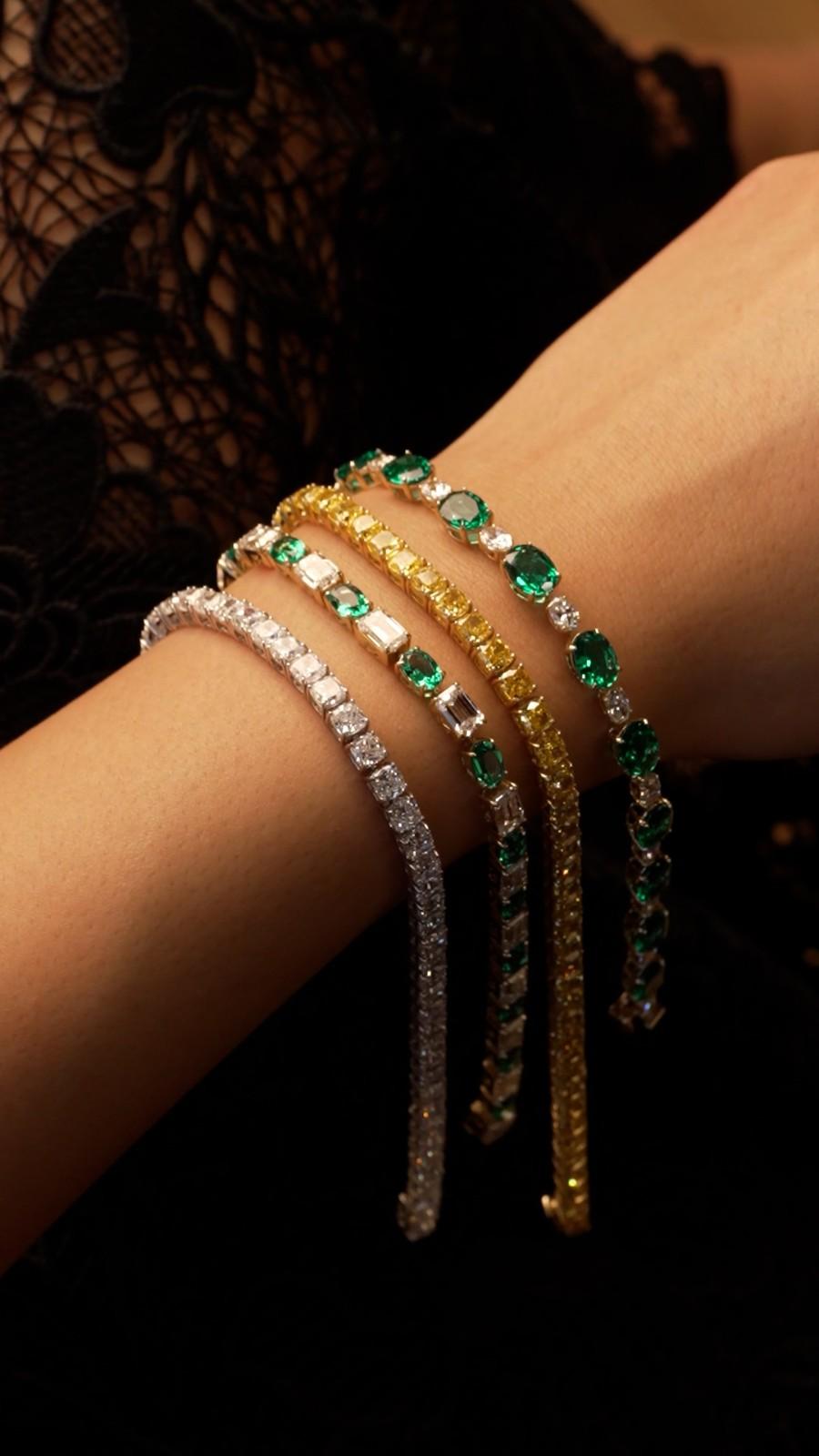
Baguette Diamonds and Gold Color: Why The Metal Choice Changes the Look
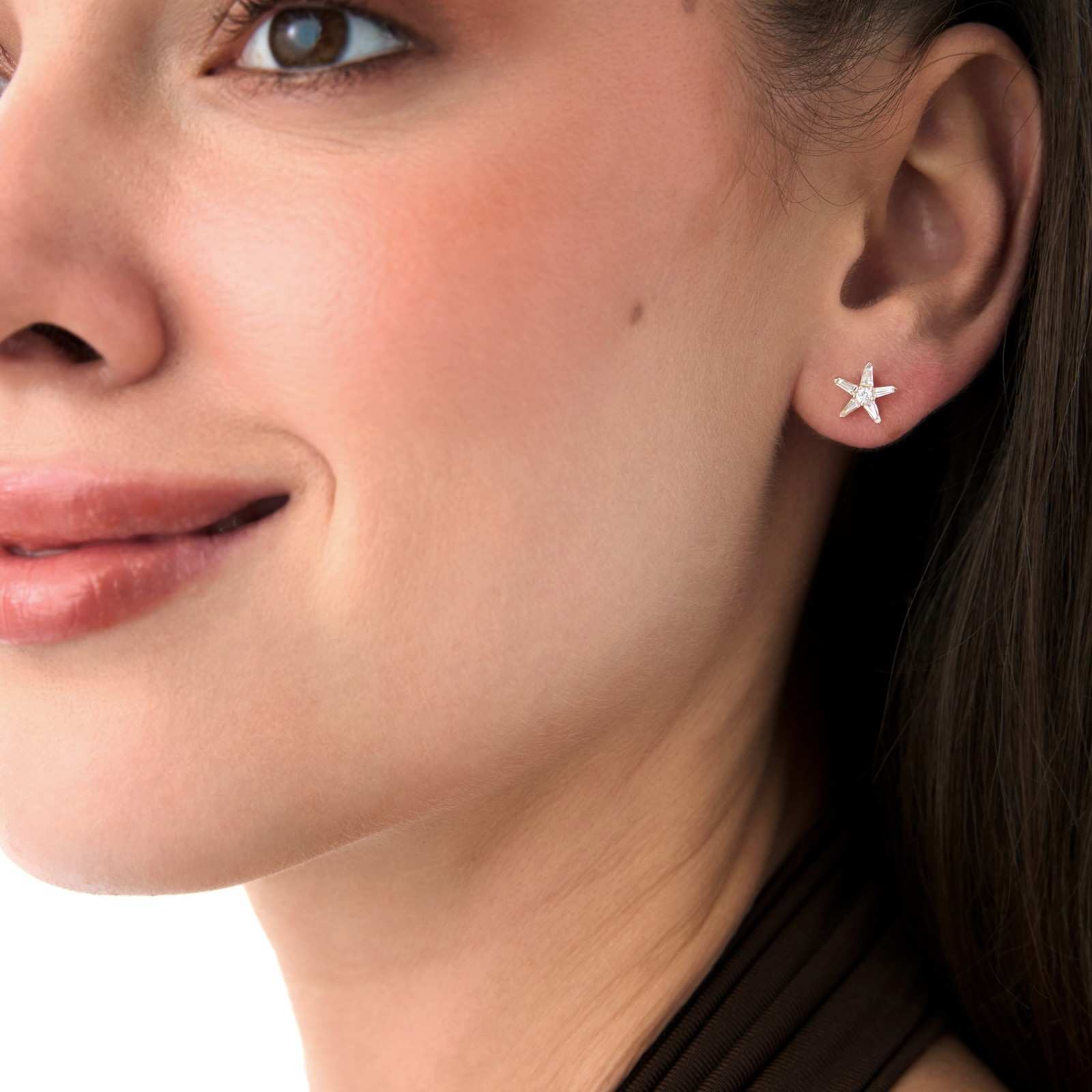
A baguette diamond is pure clean lines and light, so the gold you choose acts like a stylist. It sets the difference between a look that reads sleek and sharp versus warm and luminous, even when the design is identical.
In white gold jewelry, baguettes look crisper, icier, and a little more architectural, because its color blends into the brightness, and the geometry does the talking.That’s why a baguette diamond ring or a streamlined baguette wedding band in white gold can feel instantly modern.
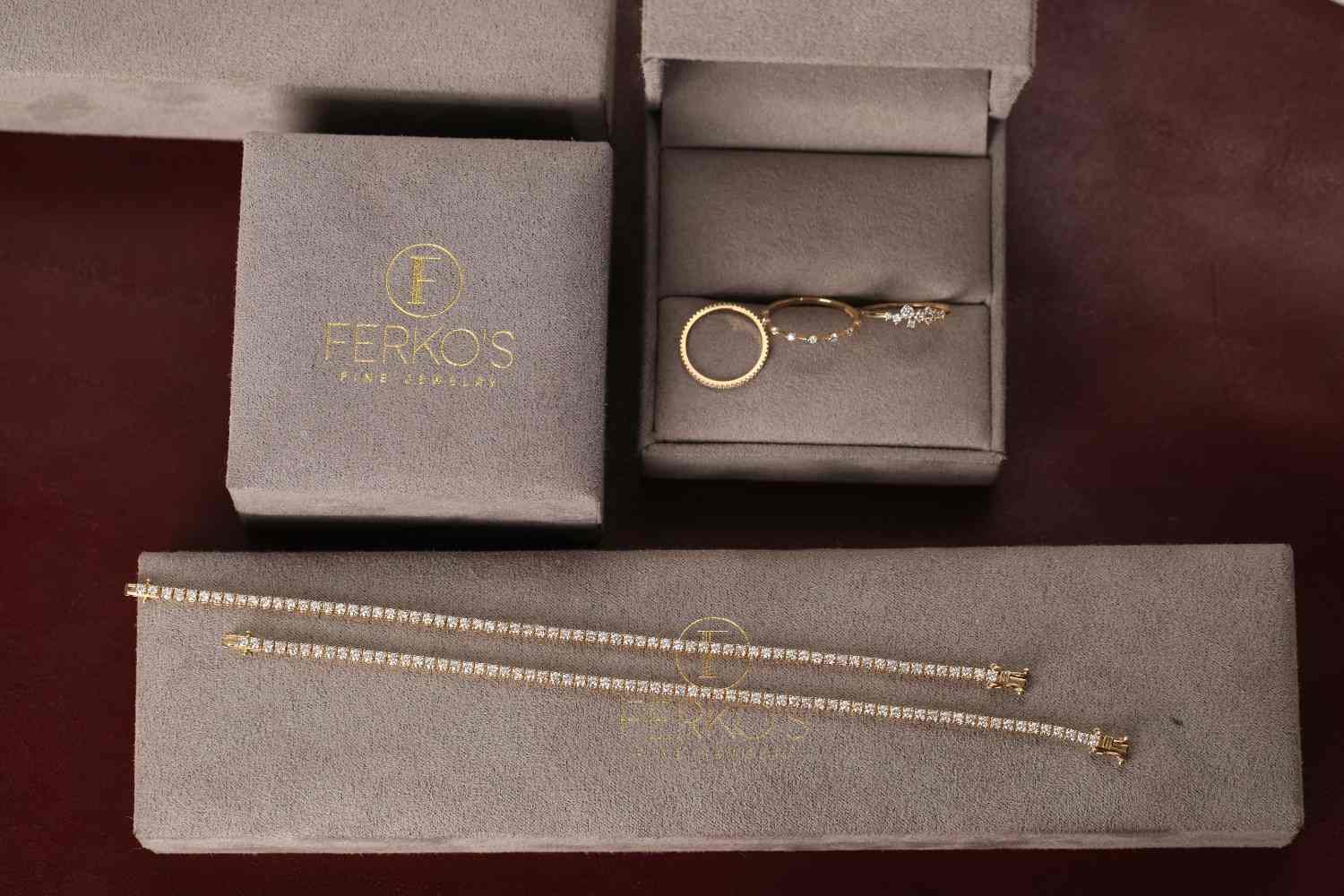
In yellow gold jewelry, however, the same baguette looks warmer and more vintage-modern. The contrast between gold and stone makes the edges feel extra defined, and that makes your minimal piece the lead character instantly. That’s why a baguette ring can look completely different in yellow versus white; same design, different personality.
If you want a faster visual comparison, start here: Baguette jewelry in 14k gold, then compare the silhouettes in baguette diamond rings and baguette rings.
And for the clearest case study of how white gold changes the whole vibe, this channel set baguette diamond ring makes the point in one glance.
For a deeper dive on the subject, take a look at our post on construction and white gold vs yellow gold differences.

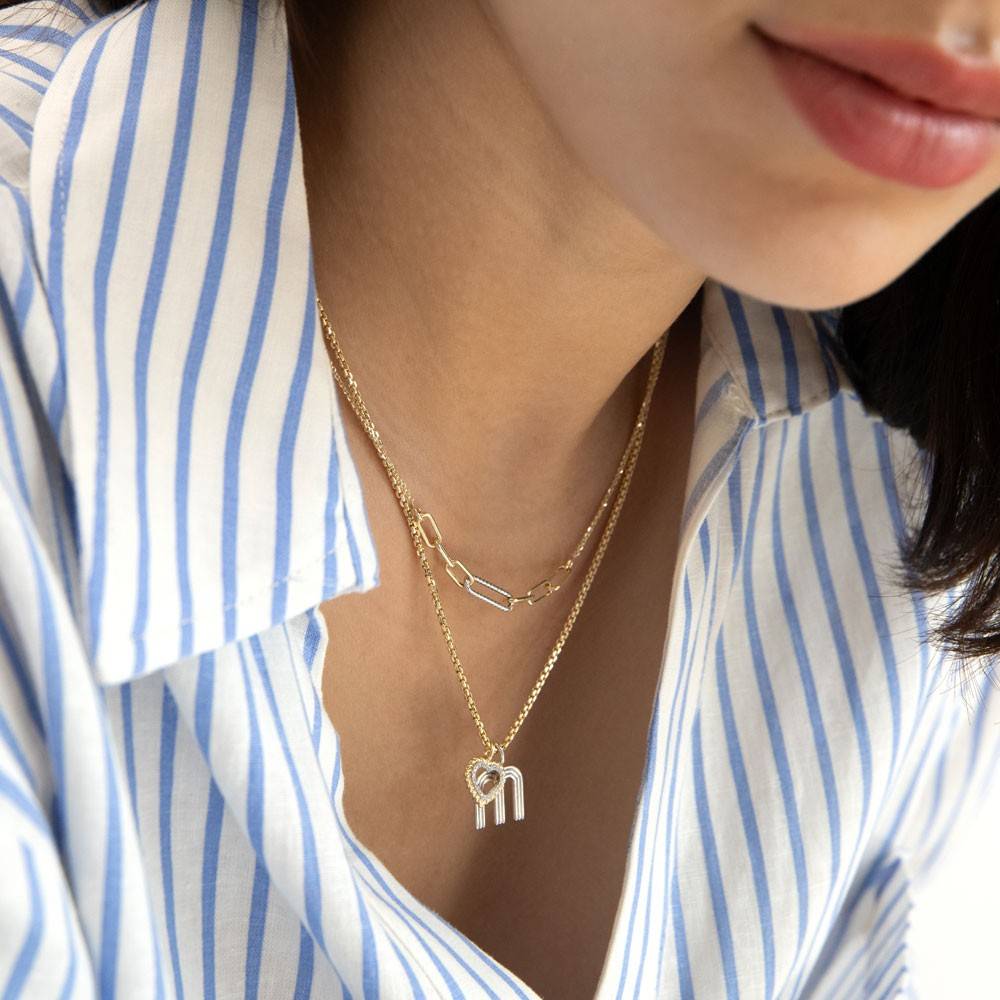
Mixing Metals Without Regret: How to Stack Yellow + White Gold
- Start with one “anchor” gold by choosing the color that dominates your daily pieces first. This keeps mixed gold jewelry styling from looking like you got dressed in the dark.
- Add one intentional “bridge” piece.
A ring or necklace that visually connects both tones makes everything else click, like a belt that ties the whole outfit together. - Repetition is your ally.
If you’re stacking rings, repeat each gold color at least twice in the stack (even if one is thinner). That’s the difference between styled and accidental. - Keep the silhouettes consistent.Mix gold colors. One clean stack beats five different aesthetics fighting in one hand.
- Apply the same logic to neck + wrist:
For layered necklaces, keep lengths distinct and gold tones repeated.
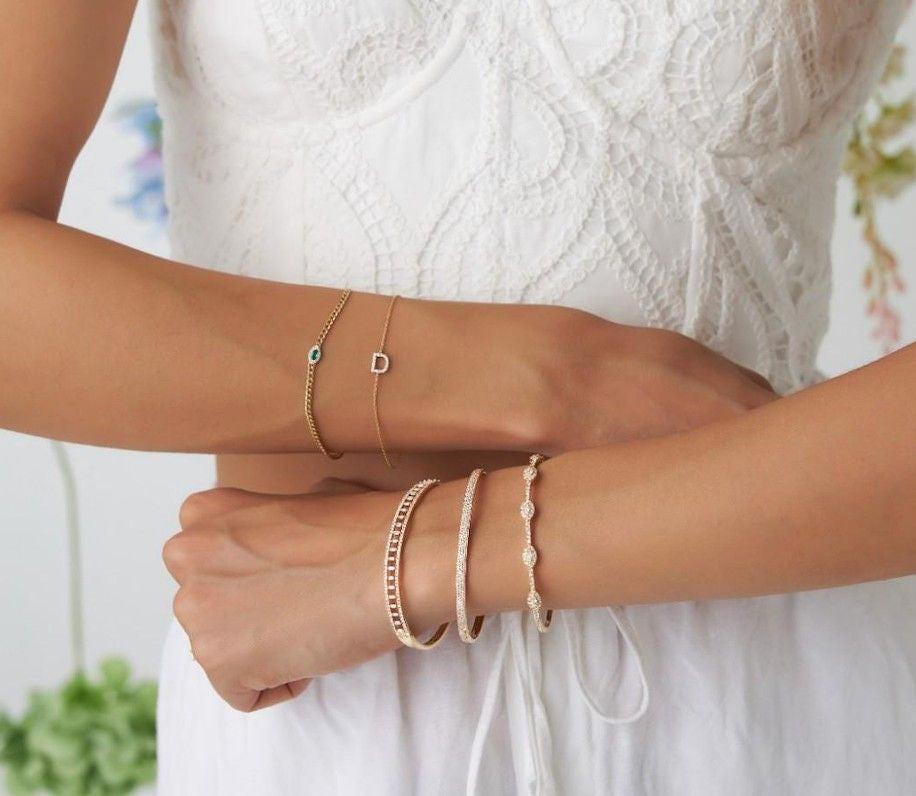
For a bracelet stack, combine one structured piece with one softer chain in the second gold tone. - If you love the look of both but want it effortless, lean into two tone jewelry. Two-tone pieces do the mixing work for you.
- Final check: How does it look from across the room?
If it looks intentional you’re done. If not, remove one piece and you’ll get that stylish finish.
Q&A: White Gold vs. Yellow Gold, In a Nutshell
The Verdict is In
If you get too hung up on your skin’s undertone, pick an anchor gold color that goes with your skin undertone and wear it hard. But if you’re not, it’s time to end the never-ending rivalry known as white gold vs. yellow gold.
But always remember that the best gold tone for you is the one that brings you joy and the one you feel good wearing. And if you love both, mix them like you have a stylist on speed dial.