Amethyst: Meaning, Healing Properties, and Jewelry
Ferko's Fine Jewelry
What Is Amethyst?
An amethyst gemstone is a variety of quartz, colored by trace amounts of iron and natural irradiation into its signature purple. It ranges from the palest lilac to deep, saturated violet, and that range is part of what makes it so versatile in amethyst jewelry. It sits at a 7 on the Mohs hardness scale, which makes it durable enough for everyday wear in rings, necklaces, and bracelets without requiring the kind of careful handling that softer stones demand.
What sets amethyst apart from other purple stones is its transparency and depth. A well-cut amethyst catches the light in a way that feels almost alive. It is a popular choice for gemstone rings for women precisely because it combines genuine beauty with a stone that carries real meaning.
Amethyst Meaning Across History
The story of amethyst starts with the Greeks. The name comes from the ancient Greek word amethystos, meaning "not intoxicated." The Greeks believed that wearing the stone would protect against drunkenness and keep the mind clear. Whether that worked is a matter of personal record.
That association with clarity, calm, and protection carried forward across centuries with remarkable consistency. In ancient Egypt, amethyst was carved into protective amulets and buried with the dead. Its deep purple was associated with royalty and the divine, worn by pharaohs and high priests alike.
In medieval Europe, it became closely associated with the Catholic Church. Cardinals and bishops wore amethyst rings as a symbol of holiness and spiritual authority.
In the 19th century when large deposits were discovered in Brazil and Uruguay, amethyst became considerably more accessible. And wider access made it even more popular.
Today, amethyst meaning continues to be shaped by that long history.
Amethyst Spiritual Meaning
Across spiritual traditions, amethyst has consistently been associated with the mind. It is believed to quiet it, protect it, and open it to something deeper. In many Eastern traditions, it is connected to the crown chakra, located at the top of the head and believed to govern our connection to higher consciousness and universal wisdom.
It is also believed that it’s connected to the third eye chakra, situated between the brows and associated with intuition, perception, and inner clarity. Together, these two energy centers speak to the same quality amethyst has always been favored for: The ability to see clearly, from the inside out.The reason amethyst is so closely associated with calming the mind comes down to what these chakras represent. When the crown and third eye are balanced, the thinking mind quiets enough for a deeper kind of awareness to surface.
Amethyst is also believed to support that process by creating the inner conditions in which stillness becomes possible. It is why the stone has been used in meditation practices across cultures for centuries, and why people who wear it consistently describe a sense of mental clarity.
The amethyst spiritual meaning most people encounter today centers on a few consistent themes:
- It is associated with protection, creating a buffer between the wearer and negative energy or emotional turbulence from the outside world.
- It is believed to strengthen the connection to one's own inner voice, particularly in moments of doubt or indecision.
- It is connected to transformation and clarity of purpose, often chosen by people navigating significant change or standing at a crossroads.
- It is associated with emotional balance, helping to soften extremes of mood without numbing them.

Amethyst Healing Properties and Benefits
The practical side of the stone is just as well-documented as the spiritual one. Amethyst healing properties have been recorded across ancient Greek, Egyptian, Chinese, and Ayurvedic traditions, and people still reach for it today for the same reasons they always have.
- Stress and overthinking: Amethyst for stress is one of the most widely cited uses of the stone. It is believed to work specifically on the kind of mental activity that feels involuntary: the spiral of worry, the replaying of conversations, the mind that will not stop generating problems to solve. The amethyst stone benefits for anxiety are less about suppressing feelings and more about interrupting the loop. Wearing it close to the body or holding it during moments of high tension is believed to bring the nervous system back to a calmer baseline.
- Sleep: Amethyst for sleep is a well-established crystal practice, rooted in the same logic as its stress benefits. An overactive mind is one of the most common causes of disrupted sleep, and amethyst is believed to ease that specific kind of restlessness.
- Emotional healing: It is believed that amethyst supports emotional processing during grief, transition, or significant change. It is often described as a stone of comfort: present without being intrusive.
- Mental clarity: The amethyst benefits most associated with daily function relate to focus and decision-making. It is believed to help the mind cut through noise and land on what actually matters.
- Physical wellbeing: In traditional healing practices, the stone has long been associated with headache relief, hormonal balance, and immune support. These are folk traditions rather than medical claims, but they speak to how deeply embedded this stone is in healing culture across the world.
*While for many people, the belief of amethyst’s healing properties is a meaningful way to bring intention into daily life, the stone is not a substitute for medical or mental health care.
Amethyst as the February Birthstone
Amethyst is the february birthstone, and February suits it well. It is the month that sits between winter and the first suggestion of something warmer, and amethyst, with its deep violet and occasional flash of red, carries exactly that kind of energy: settled but not static. Wearing it is associated with personal empowerment and inner strength, which feels appropriate for a month that asks a lot of patience from people. For those born in February, birthstone jewelry with an amethyst carries that meaning as a given.
Beyond February birthdays, an amethyst gift works year-round. Its associations with calm, clarity, and protection translate across occasions and make it a thoughtful choice for someone navigating a life transition, starting something new, or simply someone who would appreciate jewelry with a little more meaning behind it.
How to Wear Amethyst Jewelry
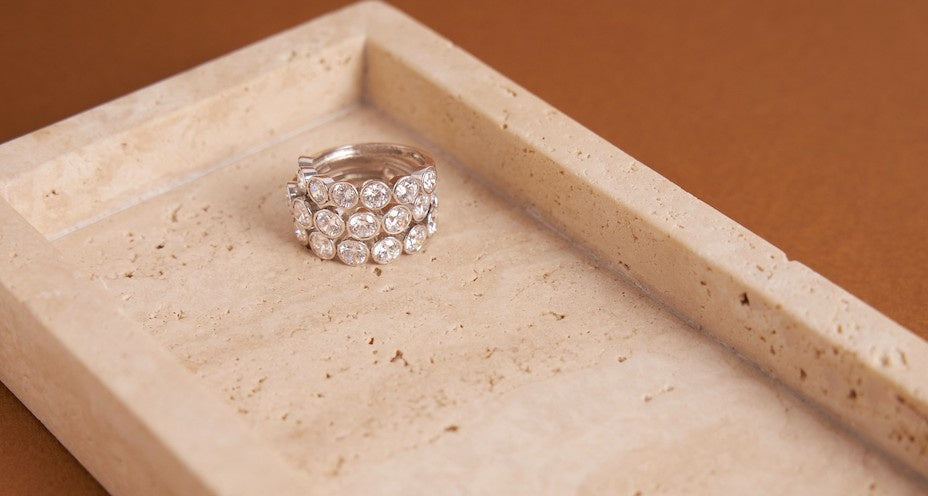
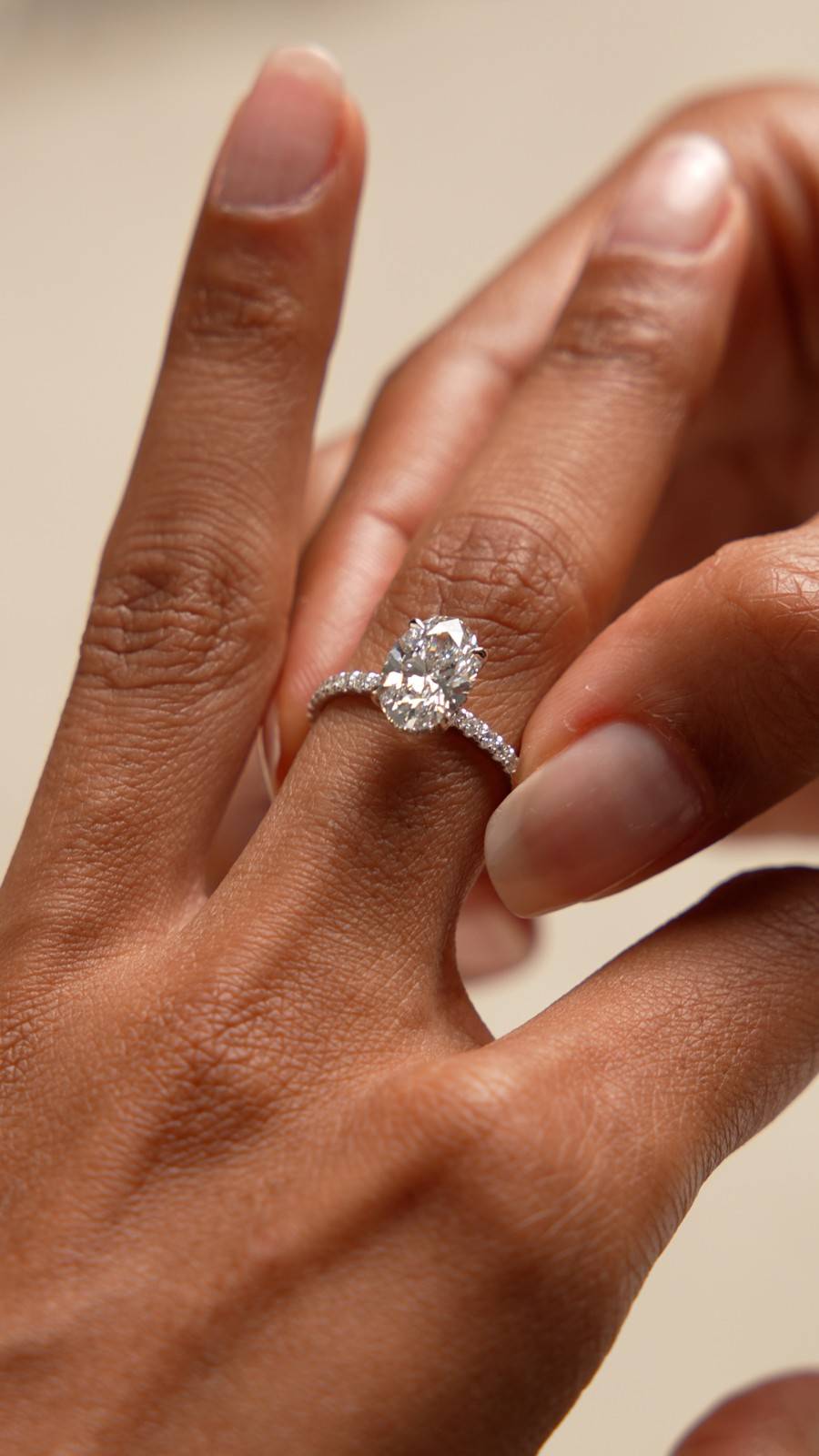
Whether you are drawn to the stone for its amethyst meaning, its color, or simply because purple gemstone jewelry makes a strong visual case for itself, the way you wear it can also reflect what you are wearing it for. Here is a guide to matching the jewelry type to the benefit you are looking for.For daily grounding and mental clarity, choose an amethyst ring. Worn on the hand, it stays in your awareness throughout the day. The physical act of noticing it, even briefly, is enough to bring the mind back to the present. A bezel setting offers the most protection for the stone during everyday wear.
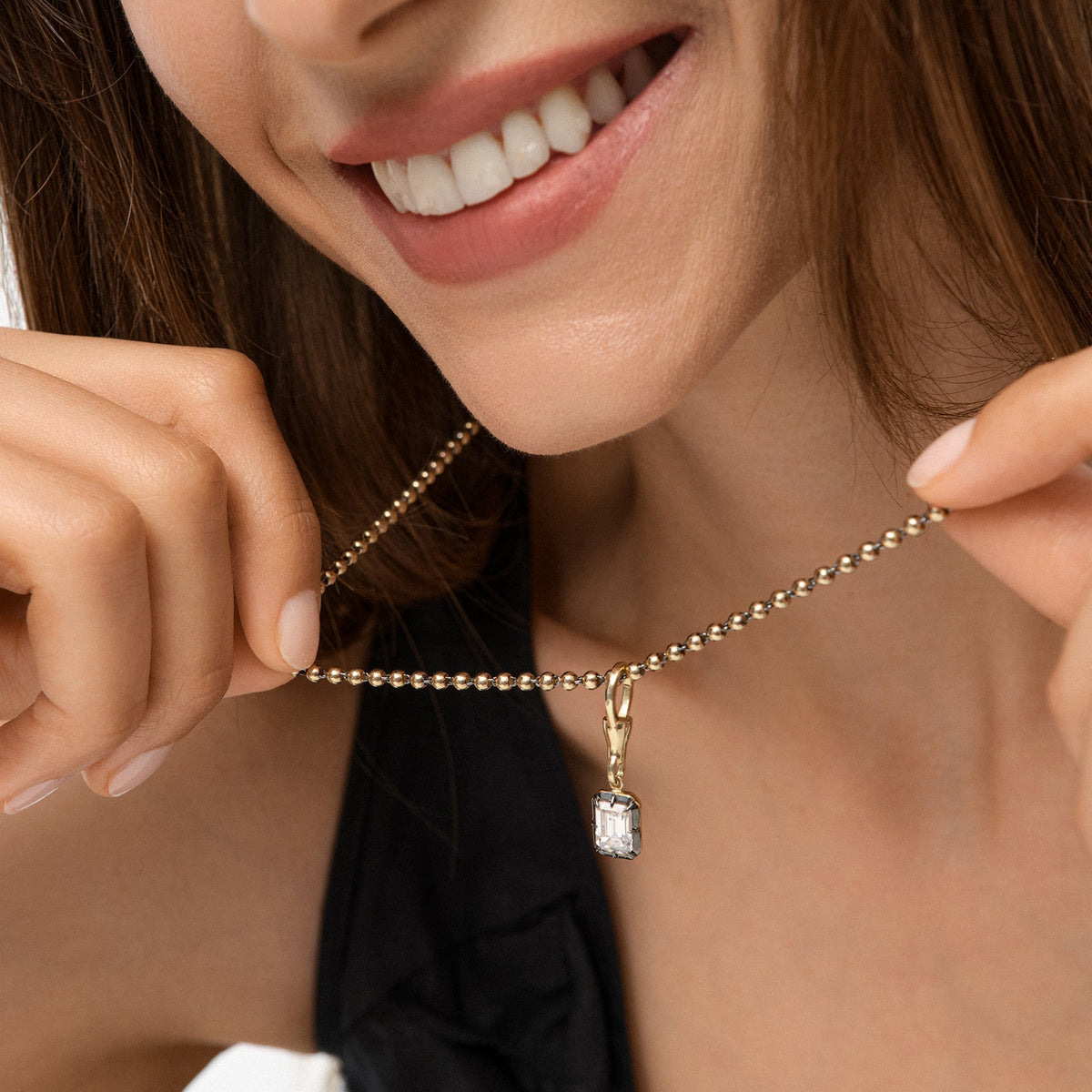
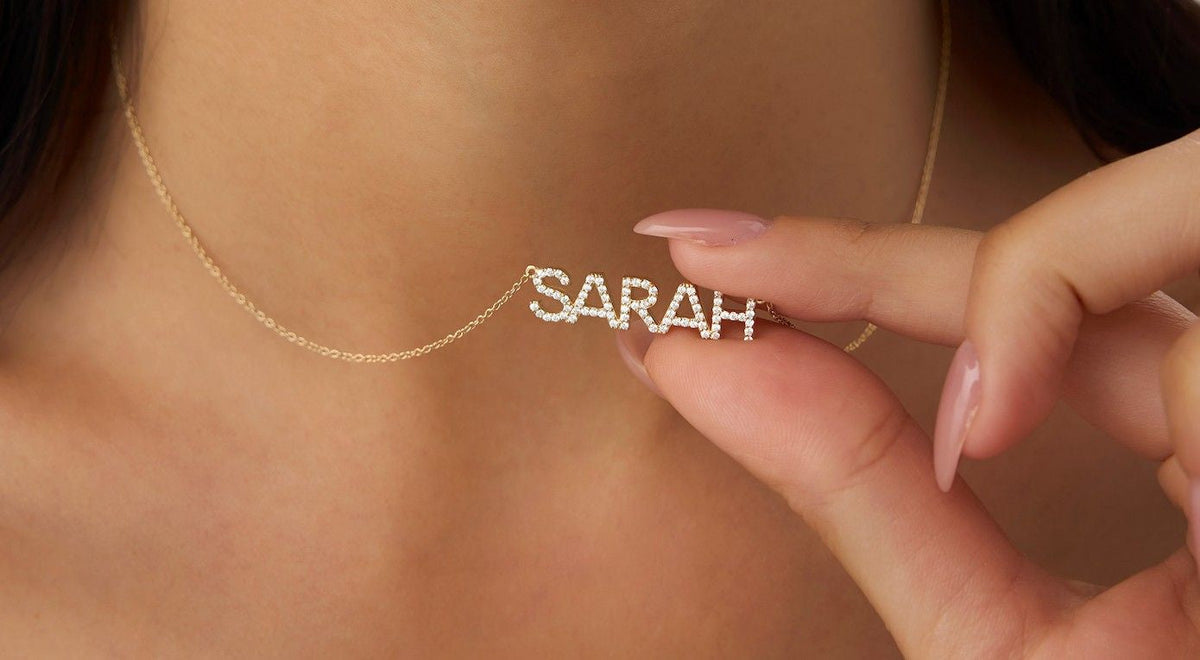
For emotional calm and protection, wear an amethyst necklace. A pendant worn close to the heart or throat sits near the energy centers most associated with emotional processing and communication. In yellow or rose gold, the purple reads warmer and more personal. This is the format most often recommended for people going through significant change.
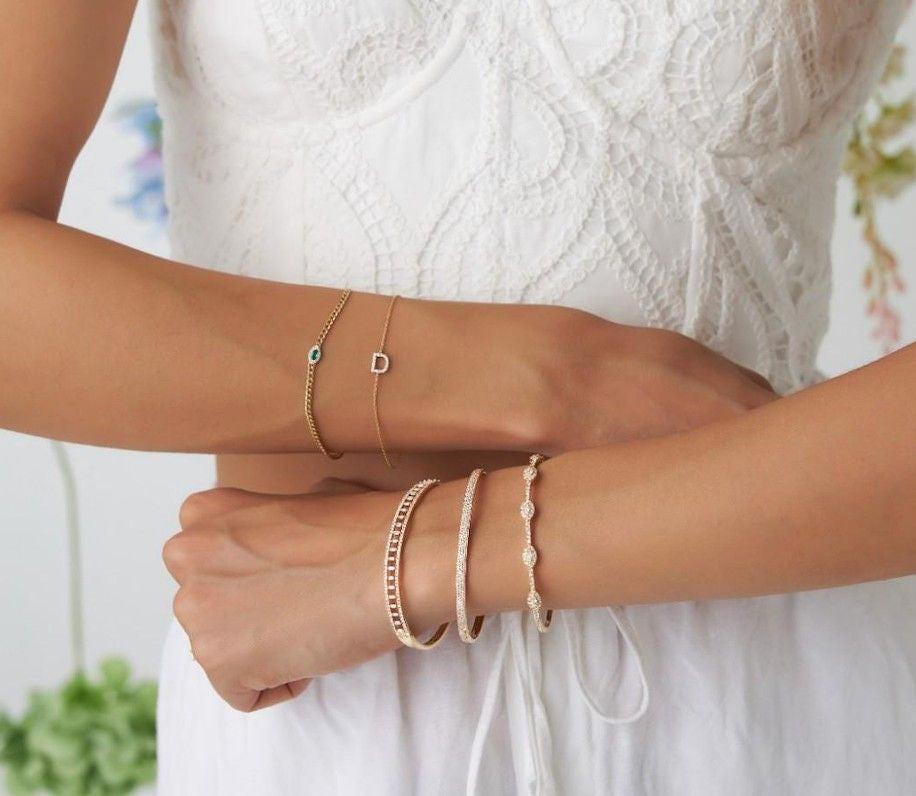
For stress relief and anxiety, layer an amethyst bracelet. Worn on the wrist, it is easy to reach for, hold, or simply notice when you feel tension building. Holding the stone briefly and taking a slow breath is one of the simplest and most widely practiced ways of using amethyst for stress in daily life. It stacks well with clear quartz or simple gold bands.
For sleep, place amethyst on your nightstand or under your pillow. If you prefer to wear it, a bracelet or simple pendant works well for evening use. The suggested ritual is to set the stone down intentionally before bed, take three slow breaths, and let that small act signal to your body that the day is done. Amethyst for sleep works best as part of a consistent wind-down rather than a single-use fix.
For meditation, hold an amethyst in your non-dominant hand or place it at the crown of your head if lying down. Its connection to the crown and third eye chakras makes it particularly well suited to practices focused on clarity, intuition, or simply quieting mental noise. Even five minutes of stillness with the stone is enough to feel the shift many people describe.
As healing crystal jewelry worn with intention, any format works. The difference between mindful jewelry and simply wearing something beautiful is the awareness you bring to it. Knowing what the stone means, and choosing it deliberately, is part of how it works.
Why People Keep Reaching for Amethyst
Amethyst has been worn for thousands of years by people who wanted something beautiful and something more. A stone that calms the mind, protects the spirit, and carries centuries of meaning in a color that happens to look very good in gold. Whatever piece you choose, what you are really choosing is a piece of mindful jewelry with a long and considered history behind it.