Lab-Grown Diamond Questions, Answered by Ferko's
Ferko's Fine Jewelry
At Ferko’s, we believe fine jewelry is something to enjoy, live in, and be part of your everyday story. That is part of why lab-grown diamonds matter to us. They make timeless elegance feel more within reach, without compromising the beauty, craftsmanship, and attention to detail that define our work. We also believe people should feel just as confident in what they are buying as they do wearing it, which is why we place great importance on being clear about the details, from certification and sourcing to craftsmanship and care. This page is here to answer the questions we hear most often, so you can shop with more clarity, confidence, and joy.
The Basics: What Are Lab-Grown, Cultured & Engineered Diamonds?
What is a lab-grown diamond, and is it a real diamond?
A lab-grown diamond is a diamond created in a controlled environment rather than formed naturally underground. It has the same hardness, same brilliance and same optical properties as a mined diamond. So the answer to are lab-grown diamonds real is yes. The only difference is the origin.
What's the difference between lab-grown, cultured, and engineered diamonds?
Cultured diamonds, engineered diamonds, and lab-created diamonds are all terms used for diamonds grown in a laboratory rather than mined from the earth. In practical shopping terms, they refer to the same category. Ferko’s generally uses “lab-grown” because it is the clearest and most familiar term.
How are lab-grown diamonds made: HPHT vs. CVD?
Lab grown diamonds are typically created using either HPHT, which stands for High Pressure High Temperature, or CVD, which stands for Chemical Vapor Deposition. Both methods produce real diamonds with the same core properties as mined stones. The process is different, but the end result is still a real diamond.
Can you tell the difference between a lab-grown diamond and a mined diamond just by looking?
No. Between lab-grown vs. natural diamonds, the difference is not something people can spot with the naked eye. A well-cut lab-grown diamond looks identical to a mined one in everyday wear. Distinguishing origin usually requires specialized equipment and a grading lab. So just a quick glance across the room is not enough.
Do lab-grown diamonds have the same physical and chemical properties as natural diamonds?
Yes. Lab-grown diamonds have the same chemical composition, hardness, and optical behavior as mined diamonds. They rank 10 on the Mohs scale, reflect light in the same way, and are suited to everyday wear. The key difference is where they come from.
Quality & Appearance
How do lab-grown diamonds compare to mined diamonds in terms of sparkle and brilliance?
When it comes to sparkle, cut matters more than origin. Lab-grown diamonds have the same brilliance and fire as mined diamonds because they share the same optical properties. A well-cut stone will usually outshine a poorly cut one, regardless of whether it was grown in a lab or mined from the earth. Good taste still starts with a good cut.
What grades of cut, color, and clarity are available in lab-grown diamonds?
Lab-grown diamond quality is evaluated using the same standards as mined diamonds: Cut, color, clarity, and carat. You will see the same color scale, the same clarity range, and the same emphasis on cut quality.
Which lab-grown diamonds look most like natural mined diamonds?
The lab-created diamonds that look most like mined diamonds are the ones chosen well. Prioritize strong cut, a balanced color grade, and clarity that looks clean to the eye. In real life, that combination matters more than chasing perfection on paper. A beautiful diamond usually looks convincing because it looks right.
What should I look for in cultured diamond studs under $1,000 to get the most natural look?
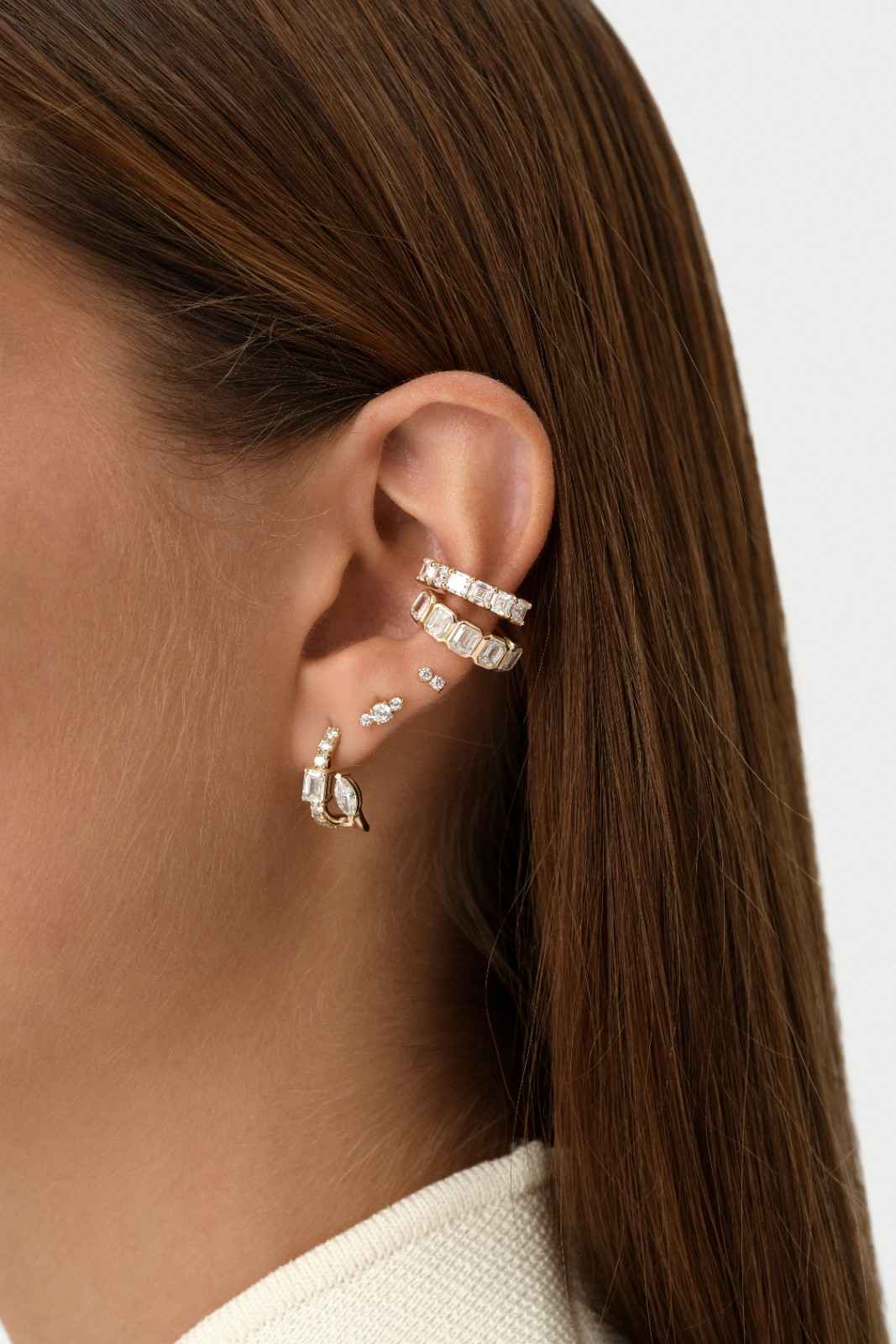
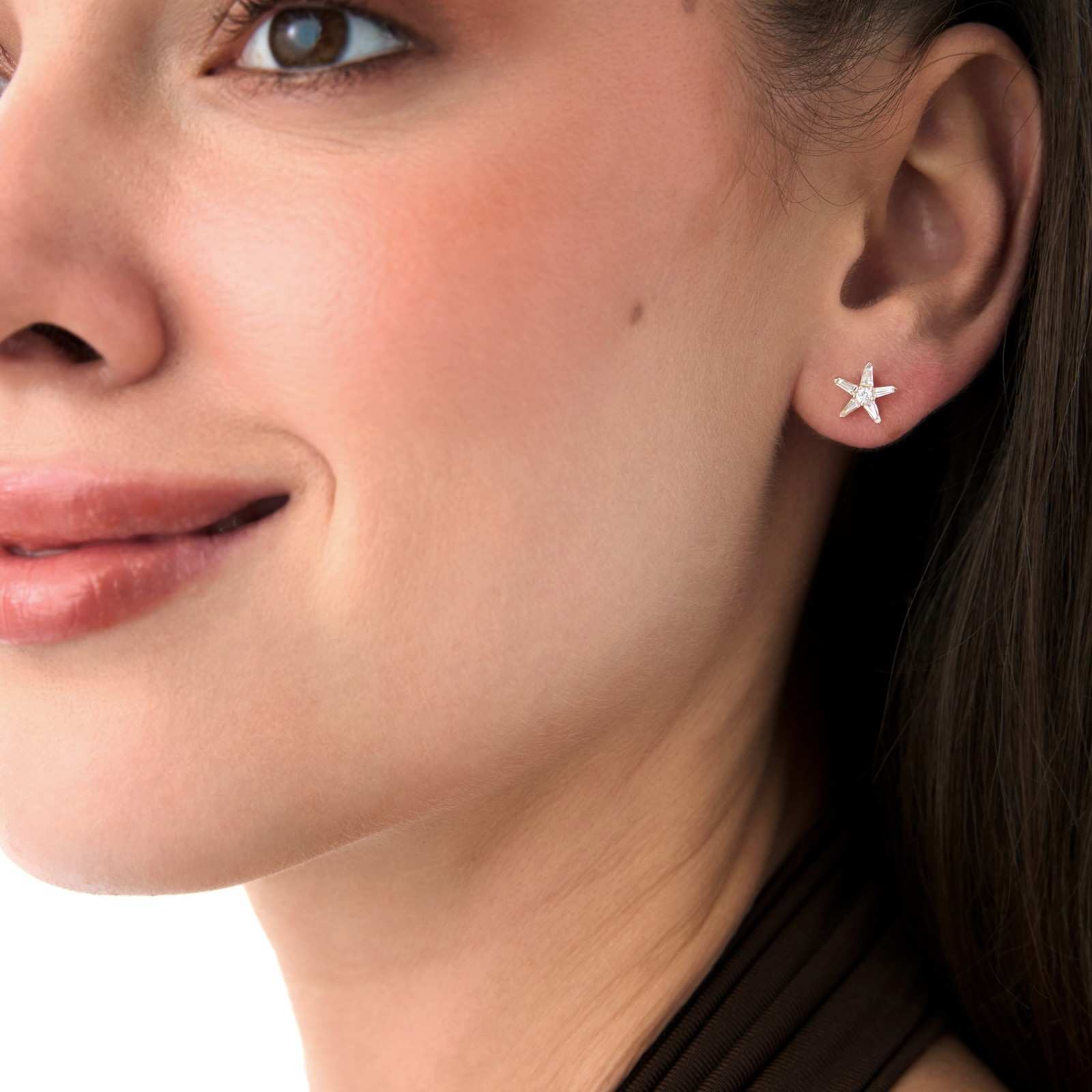
For cultured diamonds under $1,000, put your money into cut first, then choose a size that still feels believable and balanced on the ear. Round studs are usually the easiest route to a classic look. A simple 14k setting, bright near-colorless appearance, and eye-clean clarity will generally do more for the final effect than maxing out carat at the expense of everything else.
Do lab-grown diamonds get cloudy or lose their sparkle over time?
No, lab-grown diamonds do not naturally turn cloudy with age. What usually dulls their sparkle is everyday buildup from lotion, soap, oil, and dust, just as it does with natural diamonds. The stone itself keeps its properties, but the surface gets dirty. A gentle cleaning routine and occasional professional inspection will keep a lab-grown diamond looking bright, lively, and very much like itself.

Sourcing, Ethics & Transparency
What does transparent sourcing mean for engineered diamonds, and how does Ferko's approach it?
For engineered diamonds, transparent sourcing means verified lab origin and independent certification. At Ferko’s, we clearly disclose when a diamond is lab-grown and provide certification for every engineered diamond, so you can shop with confidence and wear your jewelry with joy.
What makes a lab-grown diamond "ethically made," and what should I look for?
A lab-grown diamond is often considered ethically made because it offers a mine-free origin and usually better traceability. But “ethical” should still be backed up. Look for clear disclosure, independent certification, transparent sourcing, and a jeweler who can explain production openly. With lab-grown diamonds, trust comes from transparency, documentation, and answers that are clear enough to leave no room for doubt.
Are lab-grown diamonds environmentally friendly?
Lab-grown diamonds are often seen as a more environmentally conscious option because they are created through advanced technology in controlled settings. For many customers, that makes them a strong fit within sustainable diamond jewelry. They appeal especially to those who want beauty, innovation, and a thoughtful way to buy diamonds.
How does Ferko's ensure transparency in its lab-grown diamond sourcing and certification?
Ferko’s approach to lab-grown diamond certification starts with clarity. We clearly identify our lab-grown stones as lab-grown, use independent grading, and pair that information with straightforward product details so you know what you are buying. We also make our jewelry to order, which keeps the process more intentional and gives customers a clearer picture of what is being made for them.
Where are Ferko's lab-grown diamonds sourced and produced?
Ferko’s lab-grown jewelry is made-to-order in our NYC studio, and our certified lab-grown diamonds come with the documentation. For us, transparency means clearly disclosing that a diamond is lab-grown and making sure the finished piece is crafted with care, intention, and attention to detail.

Certification & Verification
What does IGI certification mean for a lab-grown diamond?
With IGI certified diamonds, the stone has been independently graded by the International Gemological Institute for cut, color, clarity, and carat weight. For lab-grown diamonds, IGI also identifies the stone as lab-grown on the report. That certificate gives buyers a third-party reference point, which makes comparing diamonds easier and the purchase much less dependent on guesswork.
Do all lab-grown diamonds come with a certificate?
Not every diamond in the market automatically comes with individual documentation, which is why lab-grown diamond certification is something shoppers should ask about directly. At Ferko’s, our lab-grown diamonds are sold with IGI certification so customers have independent confirmation of the stone’s characteristics. It is one of the simplest ways to make a fine jewelry purchase feel better supported.
How can I verify the certification of my Ferko's lab-grown diamond?
To verify certified lab-grown diamonds, start with the grading report number on your certificate. That number can be checked through the lab’s verification system. The report details will match the stone you purchased. You can also verify the shape, measurements, and grade information.
Is a certified lab-grown diamond worth more than an uncertified one?
Yes. A certified lab-grown diamond is worth more than an uncertified one. Independent grading gives the stone documented, verifiable quality, which supports a stronger selling price and makes it easier to compare, insure and resell. The grading report itself is not an appraisal, but certification typically adds real market value to the diamond.
What's the difference between IGI and GIA certification for lab-grown diamonds?
Both IGI and GIA are respected names in lab-grown diamond certification, but IGI is one of the most widely recognized labs in the category. What matters most is having independent documentation that clearly verifies the diamond’s quality. At Ferko’s, our lab-grown diamonds are IGI certified, which means you can rely on a trusted grading standard and shop with greater clarity.
Pricing & Value
How do I find high-quality lab-grown diamonds that look great on a modest budget?
For affordable lab-grown diamonds, start with cut, because that is where beauty shows up first. Then choose eye-clean clarity, a sensible color grade, and a setting that agrees with your budget. Shapes like oval, pear, and emerald can also give more visual presence for the price. The goal is smarter-looking value.
What makes Ferko's an affordable option for 14k gold settings with lab-grown diamonds?
Ferko’s is an affordable option because we pair lab-grown diamond price advantages with hands-on, made-to-order craftsmanship in our own studio and real 14k gold settings. Keeping the process at our own studio allows us to create fine jewelry with solid materials and a custom-feeling finish, without the kind of extra markups that can come with more layered production models.
How much do lab-grown diamond engagement rings typically cost compared to mined diamond rings?
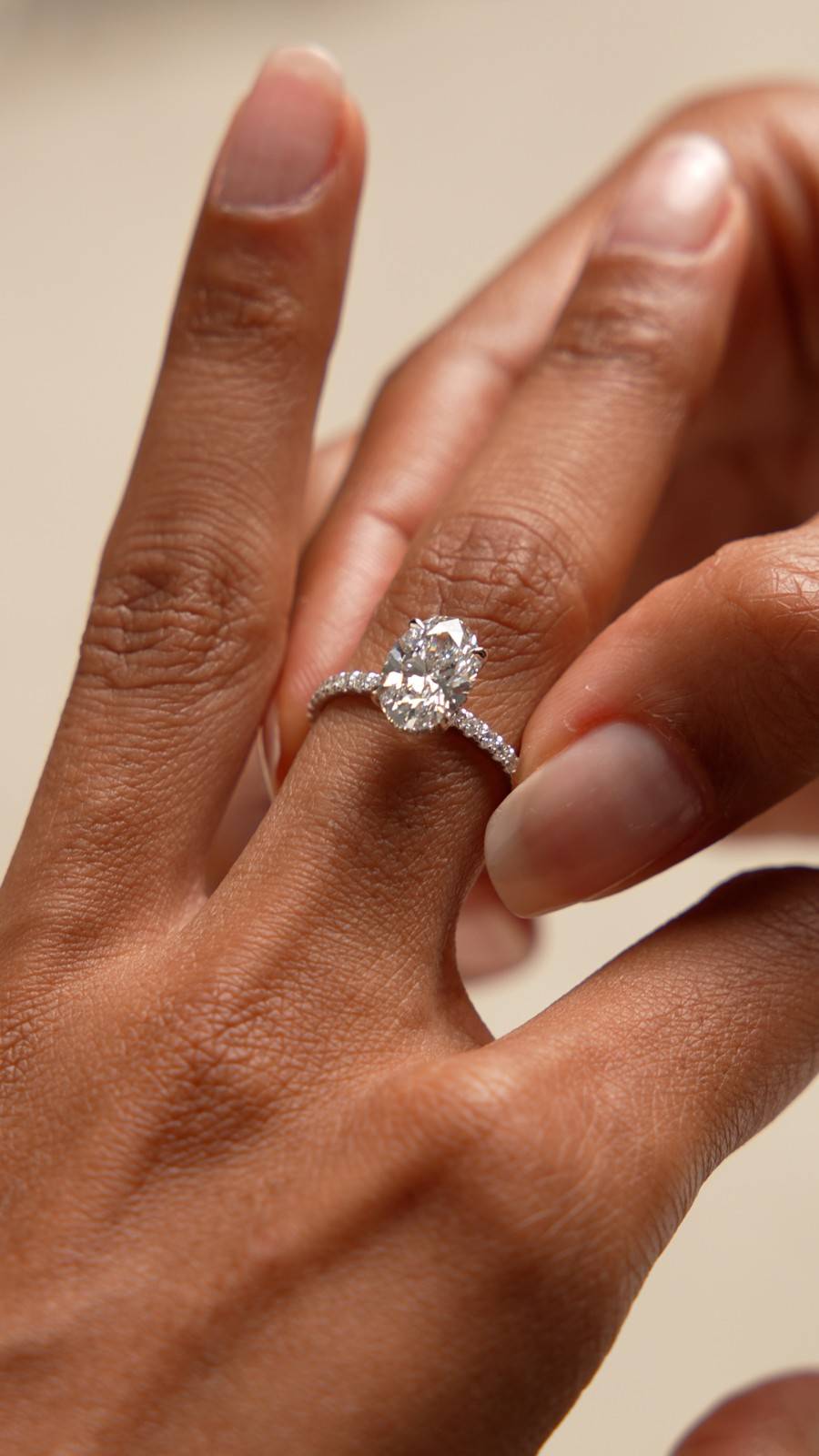
A lab-grown diamond engagement ring usually costs less than a mined-diamond equivalent with similar specs, often by a meaningful margin. That is one reason you can go bigger on carat or put more into the setting without the price jumping as fast. For many couples, lab-created engagement rings offer a more flexible way to buy something substantial and still stay realistic.
How do I evaluate the balance between craftsmanship and price when shopping for a lab-grown diamond wedding band?
When shopping for a lab-grown diamond wedding band, do not judge the ring by price or carat weight alone. Cut plays a major role in how bright the diamonds look, so a better-cut band can feel more beautiful than a bigger one. Then look at the gold quality, setting security, finish, and comfort. The best value is a ring that feels well made, wears well every day, and justifies its price beyond the first impression.
Do lab-grown diamonds hold their value over time?
Lab-grown diamond value should be thought of more in terms of wear, design, and what you get for the money than long-term resale. Like most fine jewelry, a lab-grown diamond is usually not the best thing to buy if your primary goal is investment. It makes more sense as a piece chosen for beauty, craftsmanship, and everyday enjoyment.

Styles & Settings
What makes Ferko's lab-grown diamond necklaces different from mass-produced options?
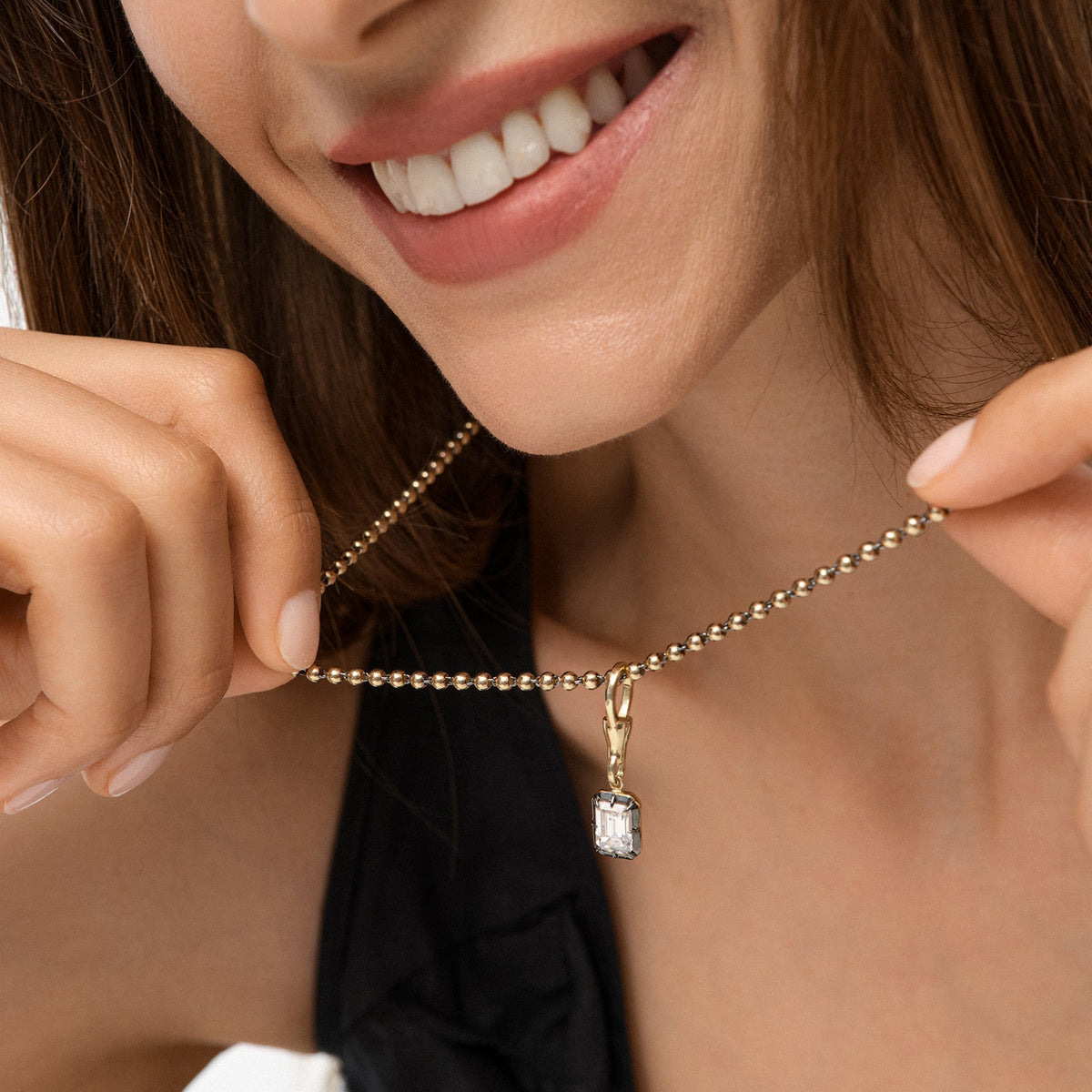
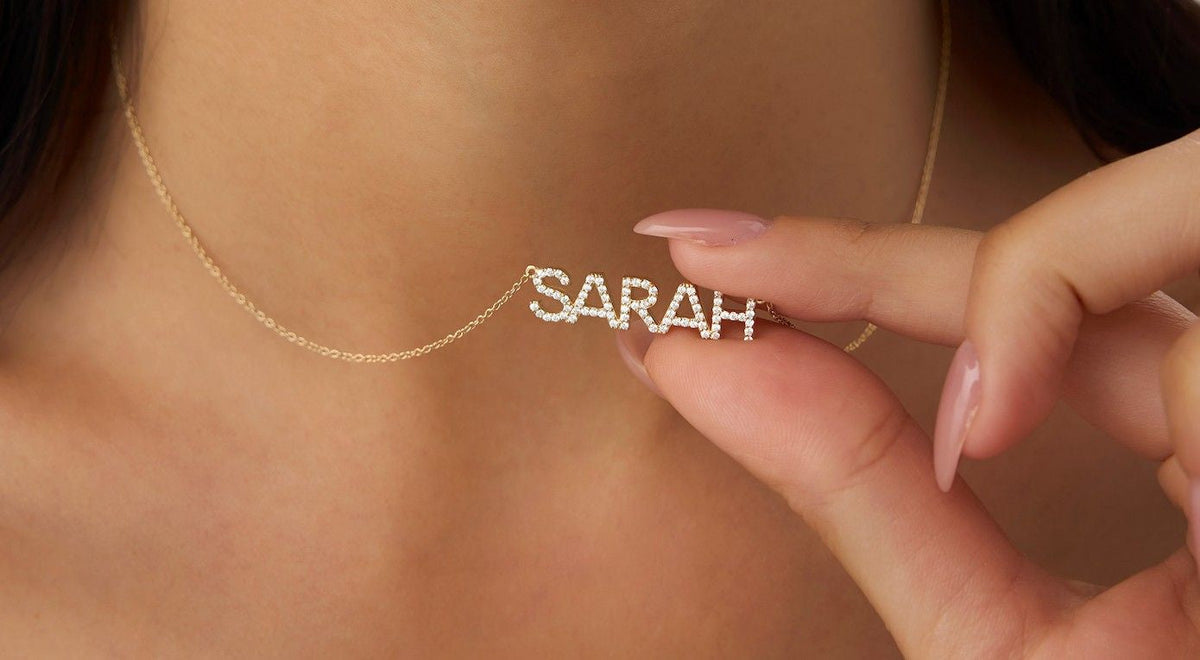
What makes a lab-grown diamond necklace from Ferko’s different from mass-produced options is years of mastery behind it. Our pieces are made-to-order in solid gold and meticulously handcrafted in our own studio, from sketch to final polish. Details like balance, finish, and wearability are carefully considered at every stage. That hands-on approach gives each necklace a more thoughtful feel, making it something truly made to be worn, loved, and kept, while bringing timeless elegance within reach without compromising on mastery.
What customization options does Ferko's offer for lab-grown diamond jewelry?
For cultured diamonds at Ferko’s, customization depends on the design, but options can include gold color, ring size, and in some cases upgraded metal choices like 18k gold or platinum. We also accept special and custom orders. If you have a specific idea in mind, sharing reference images and design preferences helps us keep the process practical and tailored.
What are the most popular settings for lab-grown diamond engagement rings?
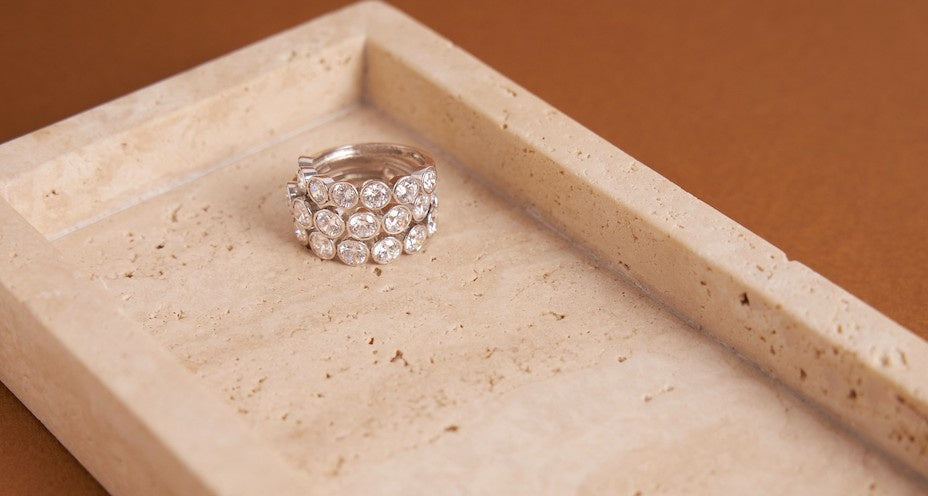
Popular settings for a lab-grown diamond engagement ring include solitaire, halo, side-stone, bezel, and classic prong-set styles. Solitaires remain a favorite because they let the stone do the talking, while halo and vintage-inspired settings add more detail and presence. The right setting usually comes down to how much visual drama you want and how you actually live day to day.
What should I look for in a cultured diamond engagement ring with handcrafted settings?
With cultured diamonds, the setting matters as much as the center stone because it is what holds the ring together in real life. Look for secure construction, balanced proportions, smooth finishing, and a profile that suits your daily routine. A handcrafted setting should feel deliberate, not flimsy, and it should support the diamond rather than just frame it for a product photo.
What's the difference between a bezel and a prong setting for a lab-grown diamond ring?
A bezel setting wraps metal around the stone, while a prong setting holds it in place with visible claws. For lab-grown diamonds, a bezel usually offers more protection, which can suit active lifestyles well. Prongs typically show more of the diamond and let in more light visually. One is more guarded. The other is more open.
Warranty, Returns & Aftercare
What is Ferko's return policy for lab-grown diamond jewelry?
We offer a 6-month warranty, provided the piece has not been damaged or altered by a third-party jeweler. For returns, our policy requires customers to ship the item back within 14 days of delivery. Returns submitted after that may be eligible for store credit for up to 30 days. Personalized orders, sale items, and certain made-to-order styles are not eligible for return or exchange, unless the piece arrives damaged or defective.
Does Ferko's offer a warranty on its lab-grown diamond pieces?
Yes. Ferko’s offers a 6-month warranty on all products, including lab-grown diamond pieces, unless the item has been damaged. The warranty is void if the jewelry has been serviced or altered by a third-party jeweler. In practical terms, that means it is best to come back to us first if something feels off and needs inspection or repair.
What should I do if a stone becomes loose or a setting gets damaged?
Stop wearing the piece and contact Ferko’s before continuing to use it. A loose stone or damaged setting usually gets worse with wear, not better. In most cases, the smartest move is quick action, not optimism. We can examine the piece, advise on repair, and help protect both the diamond and the setting before a small issue becomes a much more annoying one.
How do I clean and care for a lab-grown diamond ring at home?
At home, clean lab-grown diamonds with warm water, a small drop of dish soap, and a soft toothbrush. That is usually enough to remove the buildup that makes a ring look dull. Rinse gently and dry with a soft cloth. Avoid harsh chemicals and store the ring separately when not wearing it, especially near softer metals or gemstones.
How often should I have my lab-grown diamond ring professionally inspected?
A yearly inspection is a smart baseline for a ring worn often, especially if it has prongs. Daily wear gradually affects the setting more than the diamond itself. If you have a hands-on lifestyle, work with your hands, or notice anything shifting, do not wait for the annual check. Earlier is better when it comes to protecting a ring you wear regularly.
Still narrowing it down? Explore our lab-grown diamond categories and find the one that brings you joy.
- Shop Lab-Grown Diamond Jewelry
- Shop Lab-Grown Diamond Rings
- Shop Lab-Grown Diamond Earrings
- Shop Lab-Grown Diamond Necklaces
- Shop Lab-Grown Diamond Bracelets
Want a little more context before you choose? These guides break down the details without getting lost in them.
- What Is a Lab-Grown Diamond?
- Understanding Lab-Created Diamonds
- Lab-Grown vs. Natural Diamonds: The Ultimate Buyer’s Guide
- How It’s Made
- Lab-Grown Diamond Sourcing and Certification
- Lab-Grown Engagement Rings Guide