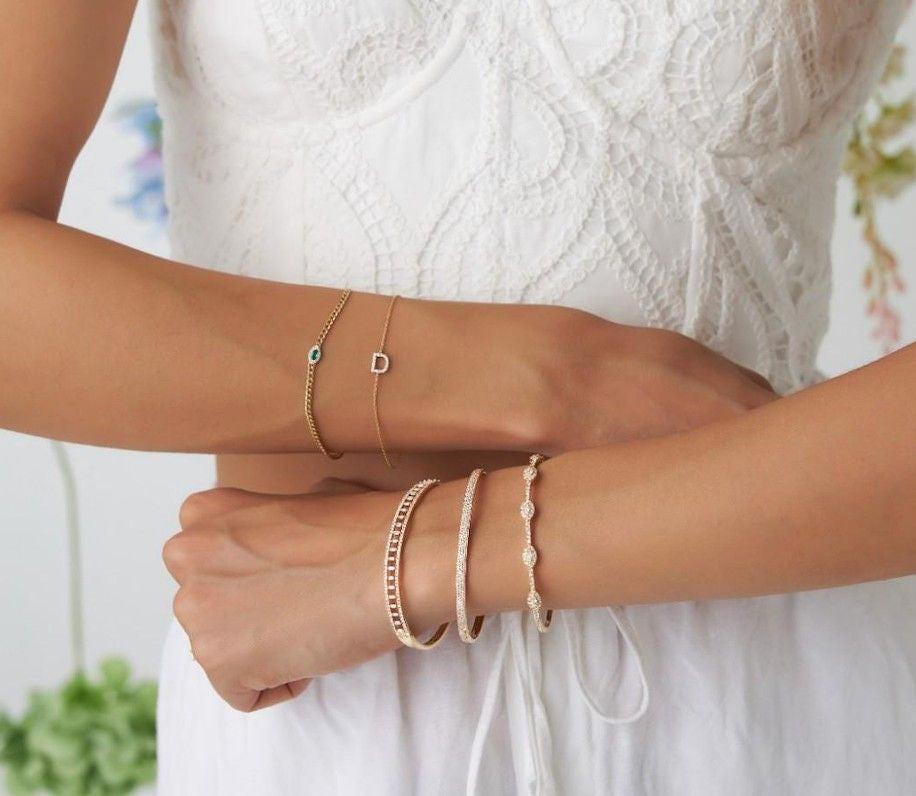
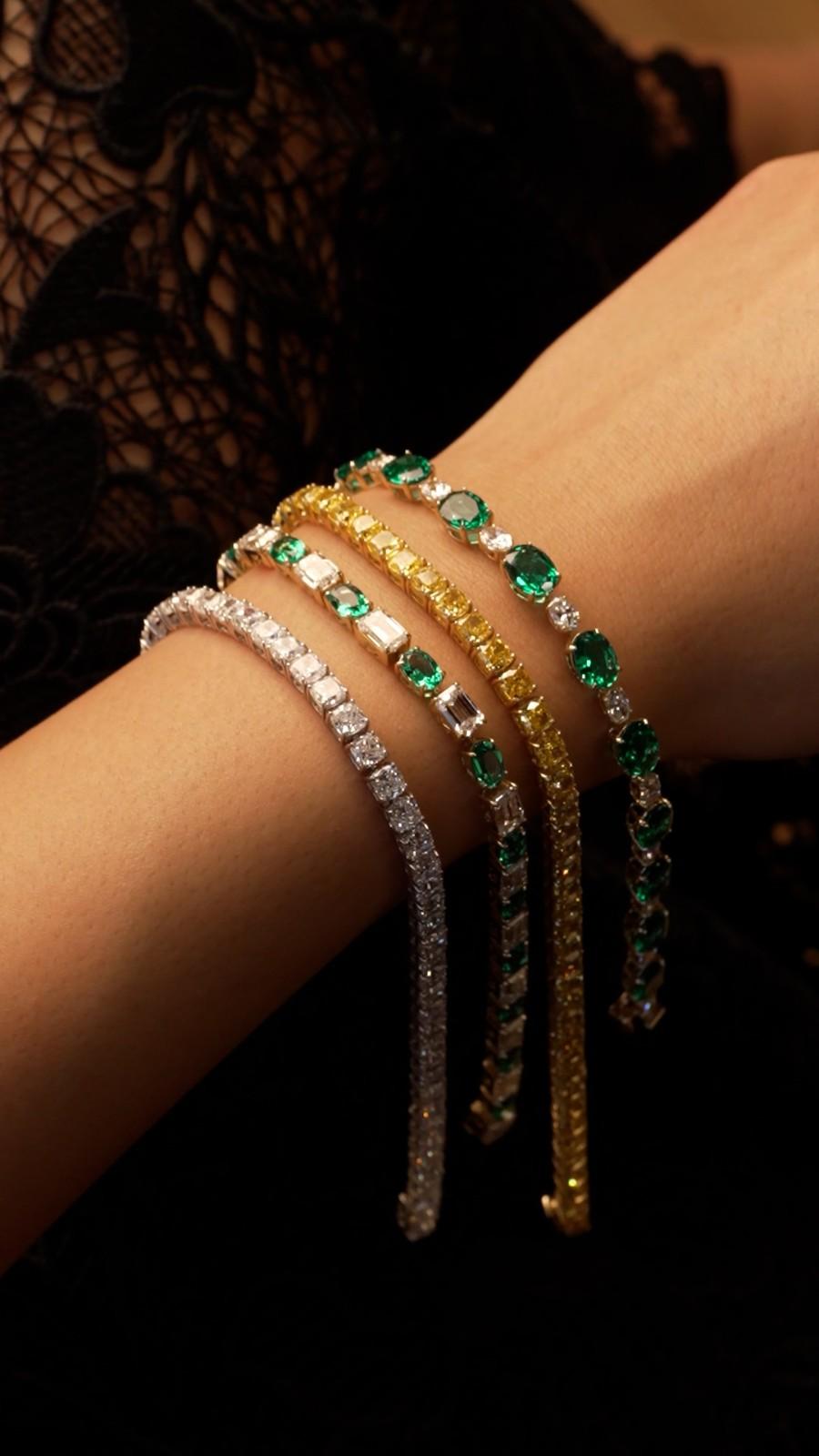
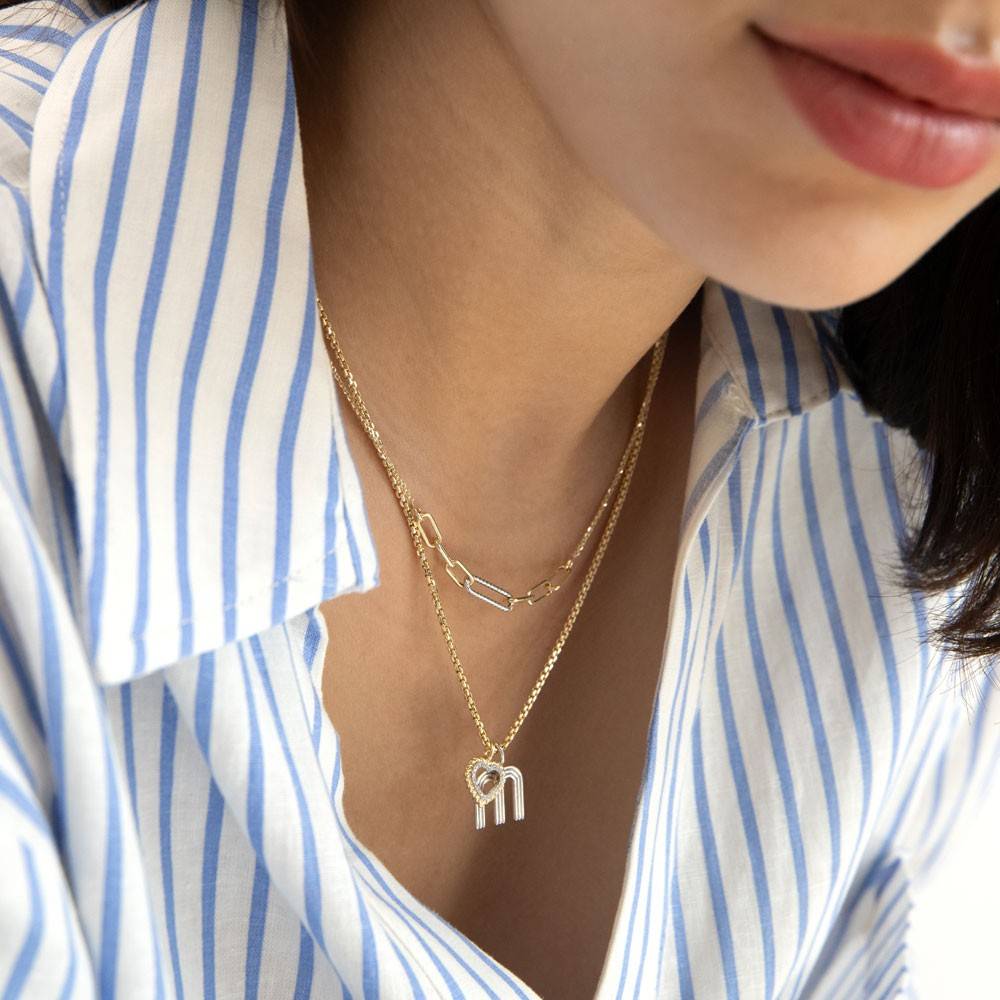
A Real-World Durability Guide to 14k Gold Bracelets for Gym, Beach, and Daily Commutes
Ferko's Fine Jewelry
You buy a bracelet that you fell in love with the moment you tried it. You’ve put it on once and it’s always there because why would you take off something you love so much. Days go by commuting, working out, and getting to the beach when you can. You expect your jewelry to hold up with everything you do, as anyone would. And sometimes it just doesn’t.
We put together this guide to help you find 14K gold bracelets that keep up with your everyday life. Inside, we explore how different styles perform in real-world conditions and what you should know before making your choice.
What Makes a 14K Gold Bracelet Truly Durable?
What makes a gold bracelet for women durable is a combination of metal purity, construction method, link strength, and setting quality. A solid 14K gold bracelet is the standard for everyday fine jewelry because it balances wearability, tarnish resistance, and structural integrity in a way that higher-purity or plated alternatives do not.
Pure gold (24K) is too soft for daily wear. The alloys mixed into 14K gold create a stronger material while preserving its warmth and natural resistance to tarnish. Solid gold is built from that alloy entirely, surface to core. Plated pieces have a base metal core with gold bonded over the top and its plating wears off over time.
Details like link thickness, clasp security, prong height for stone-set pieces, seamless soldering and consistent finishing are the signs of a bracelet built to last.

Tennis Bracelet vs. Bangle vs. Chain Bracelet: A Durability Comparison
There is no bracelet style that fits every lifestyle. The one you think works perfectly for a daily commute may not be the right call for the gym, and the best beach bracelet is not necessarily the one you want for a dinner reservation.
Here is how the three main styles compare across active lifestyle conditions:
Use | Tennis Bracelet | Gold Bangle | Chain Bracelet |
|---|---|---|---|
Gym Wear | Not recommended: stone settings and prongs are vulnerable to impact and equipment | Good: solid styles handle gym wear well. If stone-set, same caution applies as tennis bracelet. | Use with care: heavy-link styles are the better call. Fine chains can snag on equipment and resistance bands. |
Beach Wear | Use with care: rinse after salt water, avoid chlorine near settings. | Good: rinse and dry, minimal maintenance required. | Use with care: rinse after salt water, avoid chlorine. Fine chains can tangle or snag. |
Daily Commute | Good: polished, versatile, and low profile enough to handle daily friction. | Good: sits close to the wrist, stays in place all day. | Good: heavier link styles handle daily wear well. Fine chains carry snag risk with bags and outerwear. |
We break down each condition further below, with a clearer verdict for each one.
The Gym Test: Which Gold Bracelet Holds Up Best?
The gym is one of the most demanding environments for fine jewelry. Sweat, friction, grip work, and direct contact with equipment all create conditions where the wrong bracelet will show the damage over time. Solid gold bangles and heavy-link gold chain bracelet styles handle these conditions best. Tennis bracelets and fine chain styles are better left off on training days.
- Sweat exposure: 14k gold bracelets do not tarnish from sweat, but wiping pieces after a workout prevents residue buildup and keeps them looking their best.
- Movement and impact: High-repetition lifting and grip work create concentrated friction at the wrist. Solid bangles and heavier chain styles distribute this contact better than flexible stone-set pieces.
- Snagging risk: Fine chains and pieces with protruding settings can catch on equipment, gloves, or resistance bands. Low-profile, close-fitting styles eliminate this problem.
- Best choices for the gym: Solid gold bangles, sturdy link chains.
The Beach Test: Does 14k Gold Tarnish at the Beach?
The beach exposes fine jewelry to salt water, sunscreen, and chlorine, all of which can affect the finish and stone settings of gold bracelets over time. Solid gold bangle bracelets and gold chain bracelet styles that rinse and dry easily are the most practical choices. Stone-set pieces and fine chains are better left at home on long beach days.
- Salt water: Continuous exposure can create buildup in setting details and weaken certain clasps over time. Rinse with fresh water after a swim and dry before storing.
- Sunscreen: The most common cause of dullness in gold jewelry. It accumulates in settings and around stones. Wipe pieces with a soft cloth after beach days.
- Chlorine: Harder on gold alloys than salt water, particularly with repeated exposure. For stone-set bracelets, a professional cleaning once a year is worthwhile to check prong integrity. Remove bracelets before entering a chlorinated pool.
- Best choices for the beach: Solid gold bangle bracelets and gold chain bracelet styles that rinse and dry easily. The fewer structural details, the less maintenance the piece requires.
The Commute Test: Best Gold Bracelet for Everyday Wear
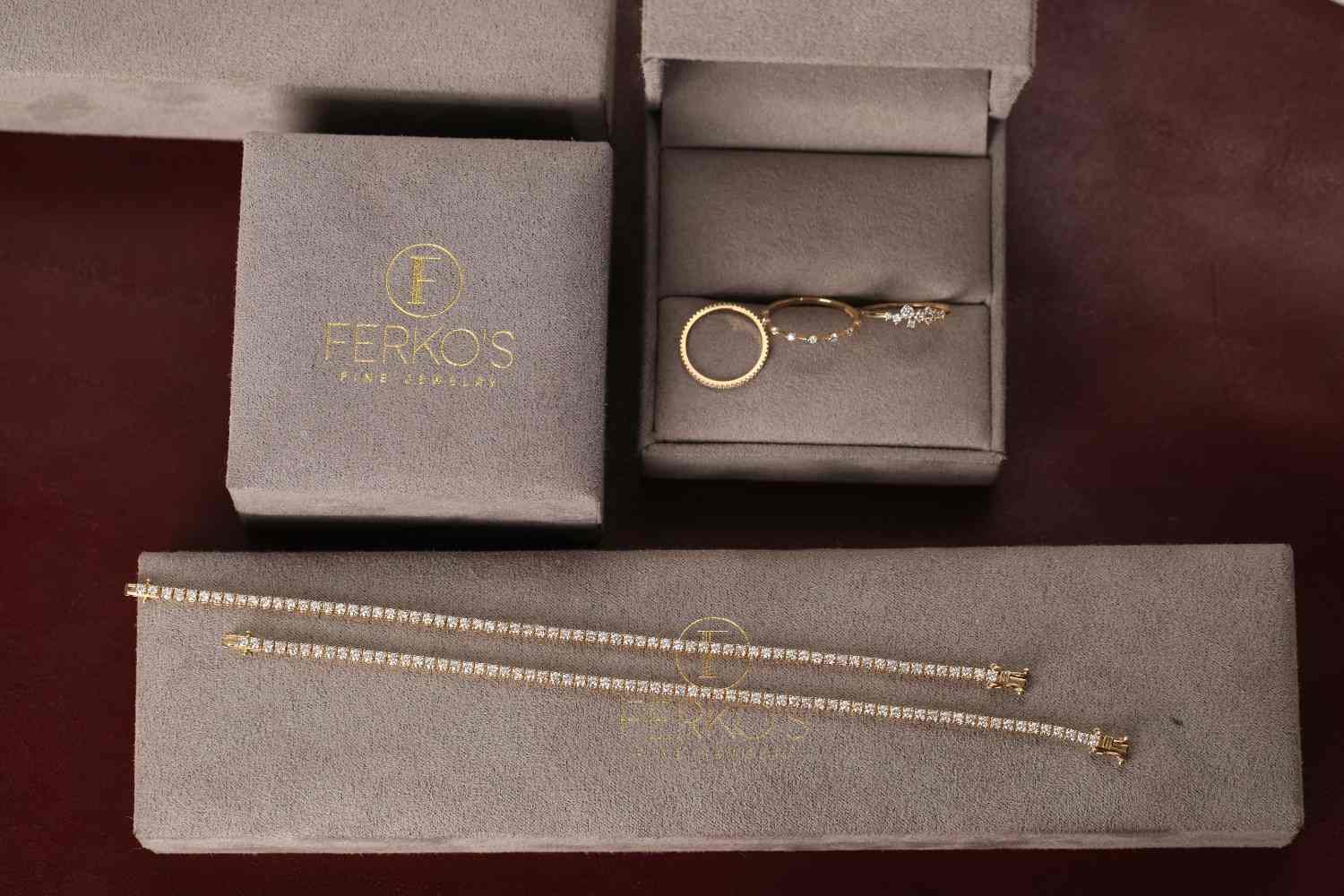
In a commute, jewelry is exposed to friction from every direction. Bags, clothing, straps, and close physical proximity all create conditions where delicate designs fail. The best solid gold bracelets are low-profile designs like solid bangles, 14K gold tennis bracelets, and substantial chain styles. They are the most reliable choice for daily commuting because they reduce snag risk and handle constant movement.
- Snag risk in motion: Crowded transport creates constant contact from every direction. Delicate chains and raised settings catch on sleeves, people moving around you, tote handles, backpack straps, and dangling bag charms. Straw and raffia bags, which are everywhere in summer, have a rougher texture that catches fine chains more easily than smooth leather does.
- Best choices for the commute: Solid gold bangles and gold tennis bracelets. For chain styles, go heavier. Fine chains are the ones that get left at home after the first bad morning.
How to Care for Your Gold Bracelet to Keep It Looking New
Jewelry you wear everyday deserves to be cared for. These habits cover most of what fine gold bracelets need:
- Cleaning: Warm water, a small drop of mild dish soap, and a soft toothbrush work for most gold bracelets. Clean gently around stone settings, rinse thoroughly, and dry with a soft lint-free cloth.
- Storage: Store bracelets individually or in separate compartments to prevent surface scratching. Fine chains benefit from being laid flat or hung to prevent tangling.
- Professional maintenance: A once-a-year visit to a jeweler for cleaning and a prong check is worthwhile for any stone-set bracelet worn regularly. Loose prongs caught early are not missing stones.
- When to remove: Before heavy lifting, cleaning with harsh chemicals, or swimming in chlorinated water.
- Diamond care: Diamonds are the hardest natural material, but their settings may not be. Avoid direct impact on stone-set pieces. A chipped diamond almost always means the setting took a direct hit.
- Post-sale service: If a piece ever needs attention beyond routine care, Ferko’s post-sale repair service is available. Reach out and we will guide you from there.